
European Defense Tech Hackathon in London: From Prototypes to Practical Solutions
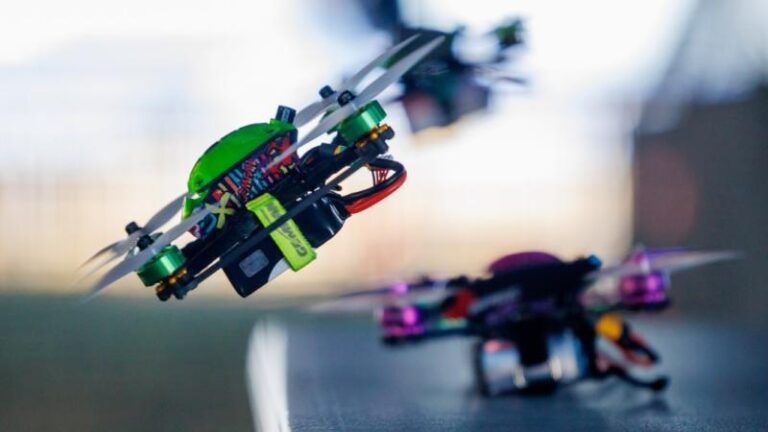
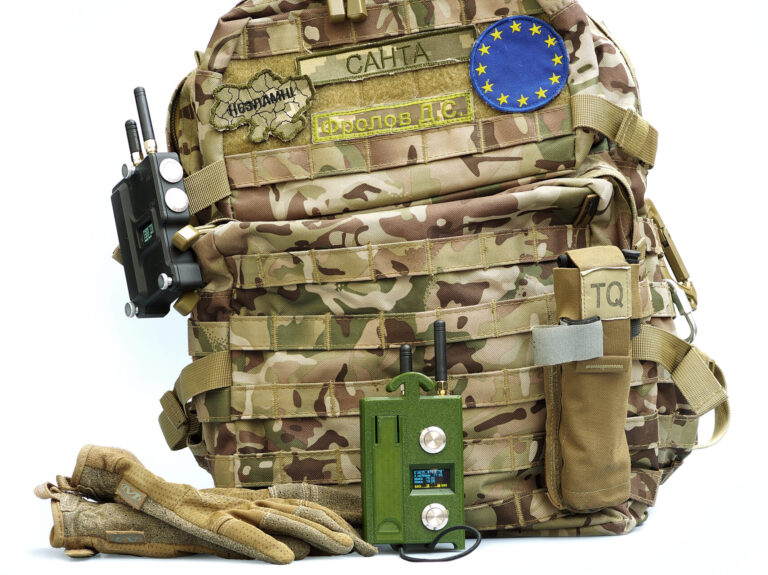
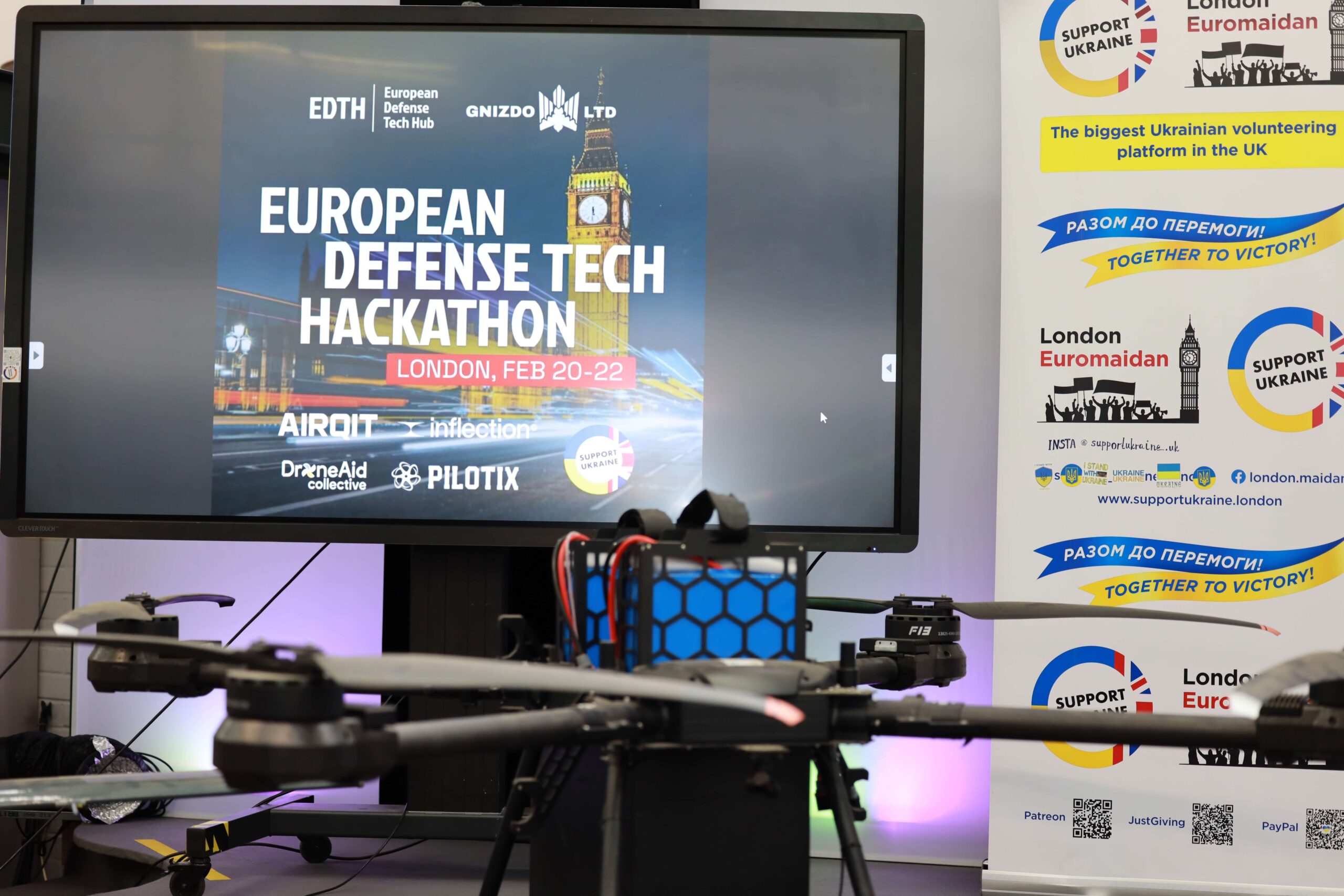
The European Defense Tech Hackathon in London brought together engineers, entrepreneurs, researchers, and representatives of the defense sector around a shared goal — developing applied technological solutions for security and defense. The event once again demonstrated the effectiveness of the hackathon format as a tool for the rapid development, testing, and selection of promising technologies capable of moving from concept to implementation.
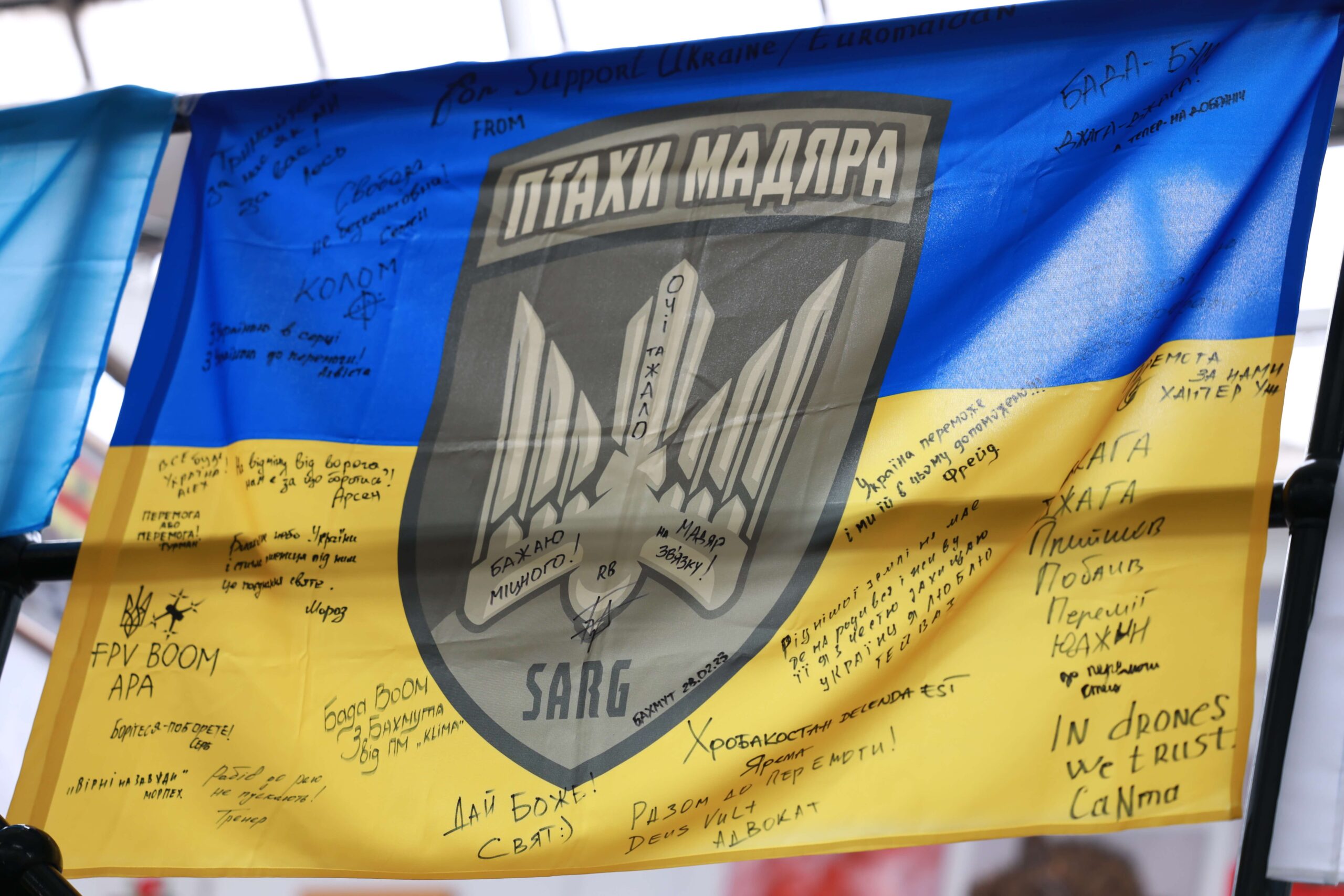
The hackathon gathered 11 teams and more than 150 participants. Working intensively over the course of the event, teams focused on solving assigned challenges, demonstrating a high level of technical expertise, engineering capability, and creativity. The core focus was the rapid development of prototypes, their testing, and public presentation before an expert jury.
Throughout the working sessions, participants completed the full cycle — from concept development to functional prototypes. The final pitches summarized this work and highlighted the practical orientation of the majority of projects. All presented solutions were strong, while the teams that secured the top three positions stood out for their particularly high practical value and scalability potential. Some projects require further technical refinement, yet they already demonstrate significant promise for further development.
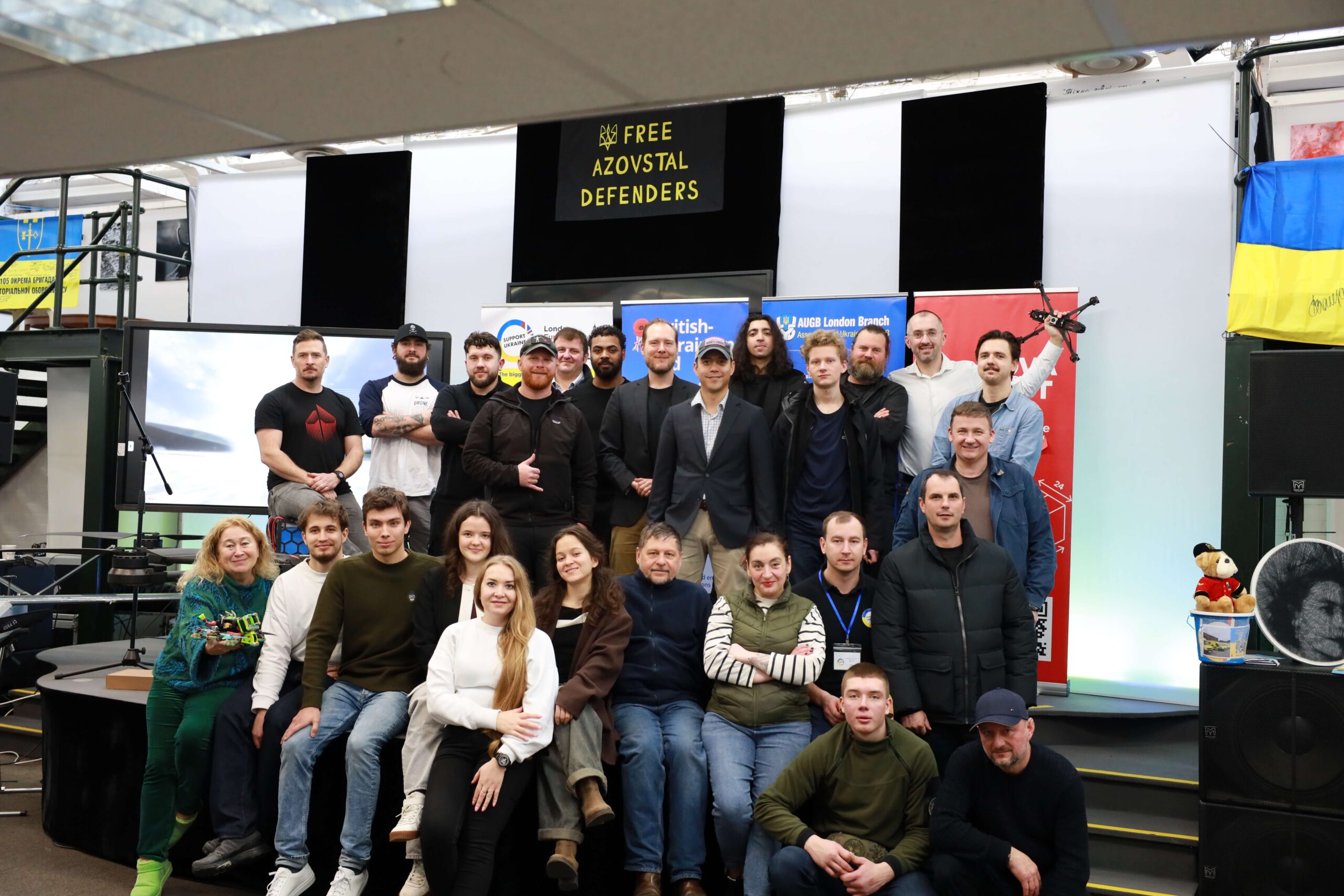
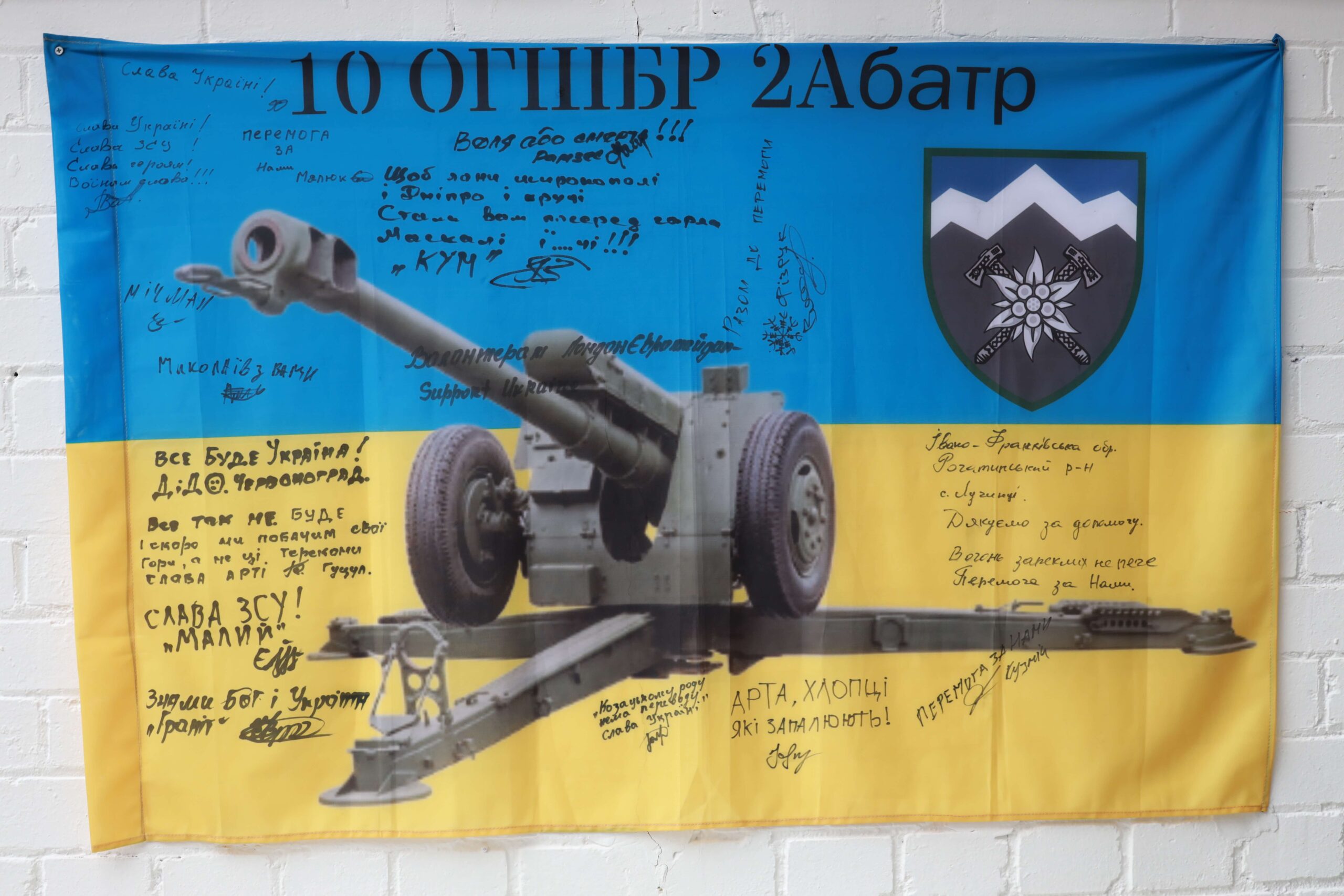
The most promising developments are expected to continue in cooperation with Ukrainian developers. These include technologies that are critically needed today by Ukrainians on the frontline in countering Russian aggression, as well as solutions that will play an important role in global security, defense, and resilience in the future.
The hackathon in London once again took place in an atmosphere of collaboration, intellectual exchange, and innovation. It brought together a community of proactive professionals capable of responding quickly to contemporary challenges and creating technological solutions essential both for current defense needs and for the long-term development of security infrastructure in Europe and worldwide.

 Related