Drone Detectors: Principles, Advantages, and Real-World Applications
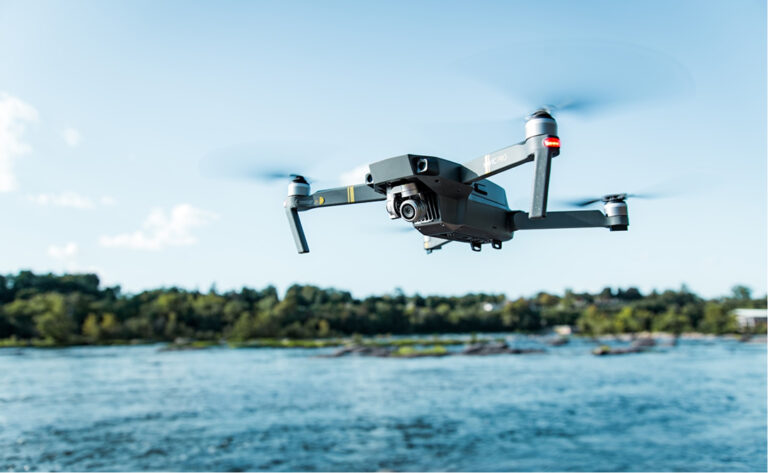
Modern warfare and security environments are increasingly shaped by the rapid proliferation of unmanned aerial systems (UAS). From reconnaissance platforms to kamikaze drones, these technologies introduce new threats that demand fast, reliable, and scalable countermeasures. Drone detectors have emerged as a critical layer of defense—providing early warning, situational awareness, and life-saving reaction time.
How Drone Detectors Work
At the core of most modern systems is radio frequency (RF) detection. Instead of emitting signals, RF-based drone detectors operate passively, meaning they do not reveal their position.
They work by intercepting communication between a drone and its operator:
- Control signals sent from operator to drone
- Telemetry and video signals sent from drone to operator
This passive interception allows the detector to:
- Identify the presence of a drone
- Recognize its type or communication protocol
- Estimate signal strength (and sometimes direction)
Because no signals are emitted, the detector remains invisible to adversaries—an essential advantage in combat or covert environments .
Key Principles of Effective Drone Detection
1. Passive Monitoring
Unlike radar systems, RF detectors “listen” rather than transmit. This ensures stealth and reduces the risk of counter-detection.
2. Multi-Signal Analysis
Different drone types use different frequencies and protocols (e.g., 2.4 GHz, 5.8 GHz, analog video). Effective detectors monitor multiple bands simultaneously.
3. Automation
Modern devices are designed for hands-free operation—once activated, they continuously scan and alert the user without manual tuning .
4. Layered Detection Approach
No single method covers all threats. RF detection is highly effective against most commercial and FPV drones but less reliable against autonomous systems with minimal emissions (e.g., inertial-guided drones).
Core Advantages of Drone Detectors
Early Warning = Survival
Drone detectors provide critical seconds—or even minutes—of advance notice. This can be the difference between safety and exposure, especially in high-risk environments.
Stealth Operation
Passive detection ensures that the user’s position is not disclosed, unlike active radar systems.
Portability and Accessibility
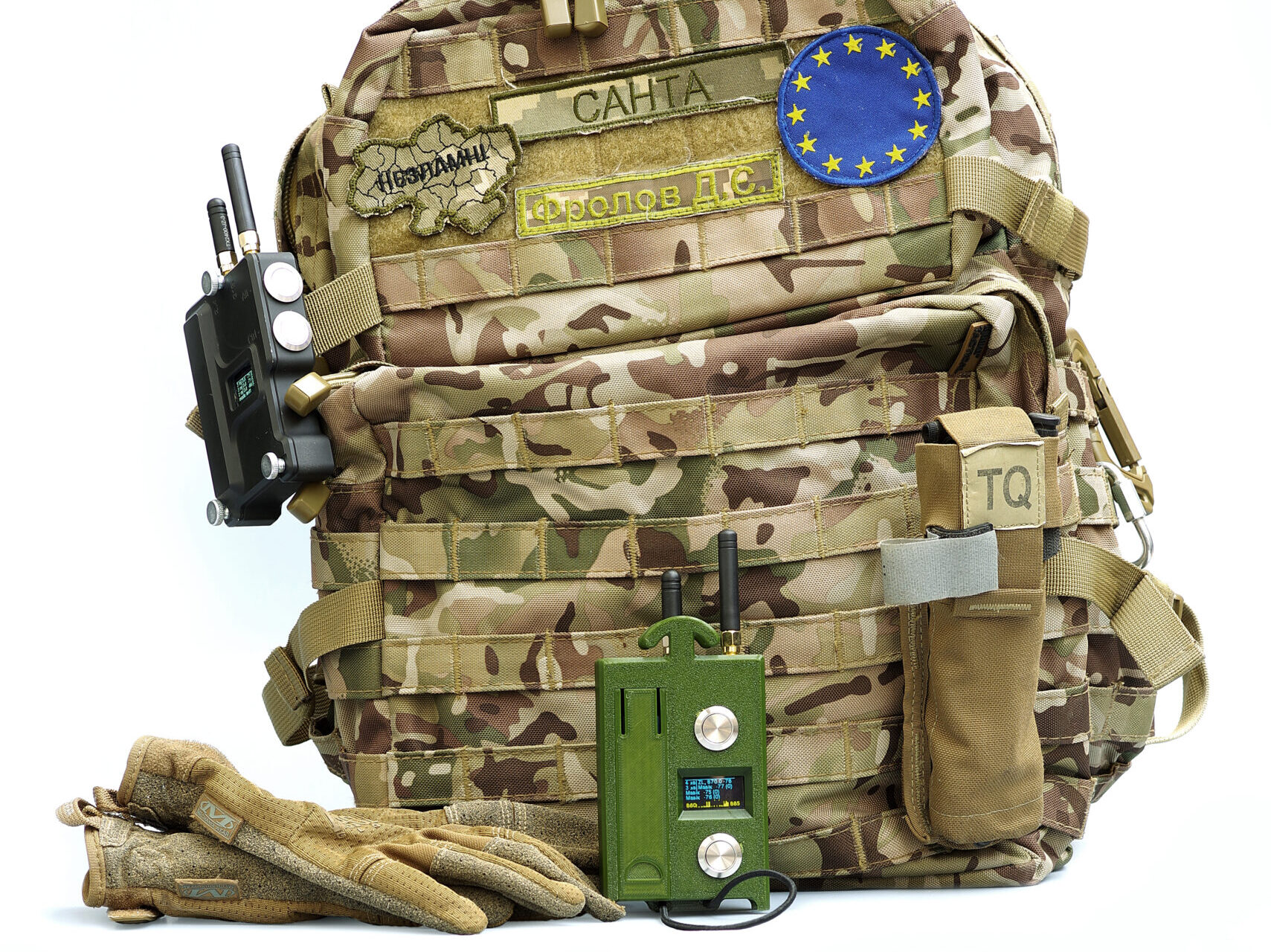
Modern detectors are compact, lightweight, and energy-efficient:
- Pocket-sized form factor
- Long battery life (up to 15–20 hours on a single cell)
- Easy deployment without specialized training
Real-Time Alerts
Detection events trigger multi-channel alerts:
- Audio signals
- Vibration (haptic feedback)
- Visual indicators (display)
- Integration with external systems (mesh networks, command software)
Scalability and Integration
Drone detectors can function both as standalone personal devices and as part of larger defense ecosystems, integrating with:
- Situational awareness platforms
- Mesh communication networks
- Command-and-control systems
Key Application Scenarios
1. Reconnaissance (ISR) Detection and Evasion
Detect surveillance drones early and reposition before being targeted. This is crucial for infantry, artillery crews, and mobile units.
2. FPV Kamikaze Threat Warning
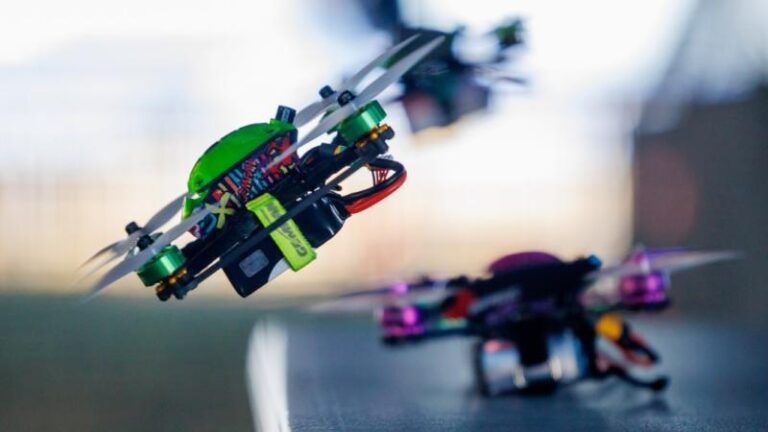
FPV drones represent a dominant close-range threat. Detection systems can alert users to incoming drones and even intercept their video feed, showing what the operator sees.
3. Bomber Drone Alerts
Reusable drones dropping munitions from above can be detected moments before attack—providing a critical window to take cover.
4. Airspace Clearance (“Clear Air” Check)
Before movement or evacuation, teams can verify whether the airspace is free of active drone signals.
5. Protection of High-Value Assets
Used as an additional safety layer for critical systems (e.g., artillery, missile platforms), complementing centralized detection infrastructure.
6. Drone-vs-Drone Operations
In advanced scenarios, detectors support:
- Identification of enemy drones
- Differentiation between friendly and hostile units
- Coordination in electronic warfare environments
Strengths and Limitations
Strengths
- Lightweight and portable
- Low power consumption
- Fully automated operation
- Rapid adaptability through software updates
- Effective at detecting most RF-controlled drones
Limitations
- Reduced effectiveness against autonomous or low-emission drones
- Detection range varies by frequency and altitude
- Direction finding may be limited
- Detection latency can vary depending on drone type
Conclusion
Drone detectors have become an essential tool in modern security and defense strategies. By providing passive, real-time awareness of aerial threats, they empower individuals and units to react faster, move smarter, and survive in increasingly complex environments.
As drone technology continues to evolve, so too will detection systems—becoming faster, more precise, and more deeply integrated into the broader ecosystem of battlefield intelligence and protection.
 Related